Professional Marriage Counseling in New York City
How Couples Therapy Can Transform Your Relationship Dynamics
Couples counseling serves as a valuable resource for romantic partners aiming to strengthen their relationship dynamics. It offers a structured environment for open dialogue, enabling both parties to understand their emotions and detect recurring issues. As individuals learn to express themselves better and manage conflicts, they often uncover new routes for connection. Nevertheless, the journey goes beyond there. Appreciating the entire scope of benefits necessitates a closer evaluation at the diverse aspects that counseling can transform.
Understanding the Role of Couples Counseling Sessions
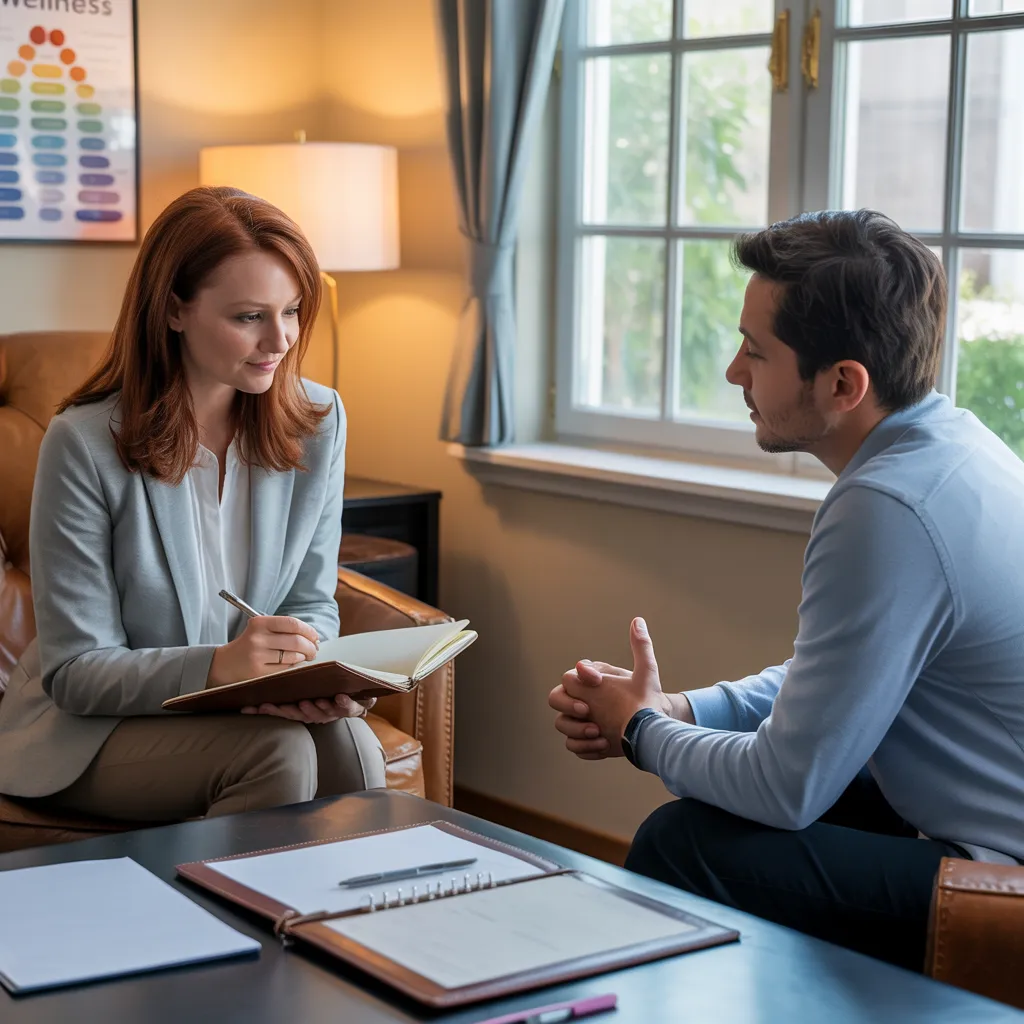
While countless couples may initially hesitate to pursue help, recognizing the role of couples counseling can provide substantial insights into relationship dynamics. Couples counseling functions as a safe space where partners can communicate their thoughts, feelings, and concerns without judgment. Skilled professionals oversee these discussions, helping couples identify underlying patterns in their interactions that could cause conflicts.
Therapists promote clear communication, guiding partners to convey their desires and expectations in a clear manner. This practice often reveals emotional triggers and underlying problems that may not have been dealt with previously. By encouraging empathy and understanding, couples counseling promotes better communication patterns, permitting partners to navigate conflicts more constructively.
Additionally, therapy can assist partners define shared goals for their relationship, fostering a sense of teamwork. In the end, the role of couples counseling is to empower couples with methods and strategies to strengthen their connection and work through challenges together.
Pinpointing Widespread Romantic Problems
Numerous couples encounter substantial difficulties that may put stress on their partnerships, with communication breakdowns often being at the forefront. Trust concerns often develop as a result of confusion or disappointed hopes, creating additional complications. Detecting these widespread concerns is critical for couples seeking successful outcomes through counseling.
Communication Issues
When partners experience challenges in effective communication, miscommunication commonly occurs, creating significant relationship challenges. These disruptions can appear in various forms, for example mistaken understandings of tone, body language, or intentions. As an illustration, one partner could view a harmless comment as criticism, creating defensiveness. Furthermore, differing communication styles can make more difficult interactions; some individuals may gravitate to directness, while others incline toward more indirect approaches. This difference can cause frustration and feelings of being unheard. In many cases, busy lifestyles worsen the lack of meaningful dialogue, decreasing opportunities for couples to connect. Resolving these communication breakdowns is critical for building understanding and empathy, finally establishing healthier relationship dynamics. Professional counseling can supply the tools needed to handle these challenges effectively.
Trust Difficulties
Communication failures commonly create the foundation for more serious concerns, with trust being a major challenge in many relationships. Trust issues can originate from past experiences, infidelity, or unmet expectations, causing feelings of insecurity and doubt. Partners may find themselves questioning each other's intentions or loyalty, which can produce a cycle of suspicion and defensiveness. This erosion of trust often shows itself through heightened conflicts and emotional withdrawal, making it challenging for couples to connect authentically. Quality couples counseling can help identify the root causes of these trust issues, facilitating open dialogue and fostering vulnerability. Through guided discussions, couples can progress toward rebuilding trust, enhancing emotional intimacy, and developing healthier communication patterns that support a more secure relationship dynamic.
Strengthening Interpersonal Skills
What methods help couples build stronger connections through meaningful conversation? The solution centers on strengthening dialogue techniques, a critical component highlighted in couples counseling. By developing active listening abilities, couples can more effectively grasp one another's viewpoints, fostering empathy and reducing misunderstandings. This method inspires people to communicate their sentiments and perspectives candidly, resulting in more constructive interactions.
Additionally, couples learn to employ "I" statements, which help articulate one's feelings without attributing responsibility. This strategy reduces defensiveness and promotes meaningful discussions. Nonverbal signals, such as physical gestures and eye contact, are also emphasized, as they can significantly impact how messages are perceived.
Developing True Understanding
How can couples develop deeper emotional intimacy? Partners can start by making open and transparent dialogue a priority. Communicating thoughts, sentiments, and life experiences promotes authenticity, helping partners form stronger connections. Frequently planned "check-ins" can build a protected space for conveying feelings and addressing relationship matters.
Engaging in shared activities also strengthens emotional bonds. Through hobbies, travel, or simple date nights, these experiences present opportunities for connection and mutual pleasure. Furthermore, practicing active listening is vital; partners should concentrate on understanding each other's perspectives without interference or judgment.
Demonstrating thankfulness and recognition can additionally strengthen intimacy, as appreciating one another's efforts fosters a encouraging environment. Lastly, couples can benefit from understanding their emotional triggers together, promoting growth and understanding. By applying these strategies, couples can build a strong foundation of emotional intimacy that strengthens their relationship and promotes long-term connection.
Learning Conflict Management Techniques
Maneuvering conflicts is a vital skill for couples seeking to maintain a healthy relationship. Learning successful conflict resolution techniques can help partners to manage disagreements productively. Couples counseling delivers a structured environment where couples can explore communication styles and identify triggers that aggravate conflicts. Through guided sessions, partners learn to articulate their feelings without placing blame, cultivating a sense of understanding.
Strategies such as active listening, where each partner attentively hears the other's perspective, can considerably reduce misunderstandings. In addition, the practice of taking breaks during heated discussions allows couples to cool down and reflect before re-engaging. Setting ground rules, like avoiding interfering or raising voices, creates a respectful dialogue. By mastering these approaches, couples can transform conflicts into opportunities for growth, thereby enhancing their relationship. In the end, effective conflict resolution not only resolves immediate issues but also builds a foundation for better interactions in the future.
Reviving Intimacy and Bonding
How might couples reignite the spark that originally drew them together? Couples therapy provides strategies to restore passion and connection in relationships that may have become stagnant or lifeless. By promoting open communication, therapists help partners communicate their wishes and vulnerabilities, building a deeper emotional intimacy. Pursuing shared activities can also rekindle excitement; venturing into new hobbies or rediscovering cherished experiences together can reignite feelings of closeness.
In addition, couples are encouraged to focus on quality time, without distractions, where they can reconnect without the weight of daily life. This intentional focus on each other can strengthen their emotional bond and rekindle physical attraction. The process of rekindling passion is not just about romance but requires understanding each partner's changing needs and desires. Through counseling, couples can build a supportive environment that strengthens their connection, allowing them to overcome challenges while reigniting the love that originally brought them together.
Developing Enduring Partnership Objectives
Developing long-term relationship goals entails determining shared aspirations that coordinate both partners' more information visions for the future. By establishing measurable milestones, couples can measure their progress and maintain motivation over time. This structured approach cultivates commitment and enhances the overall strength of the relationship.
Determine Joint Objectives
Collective ambitions work as the foundation for enduring partnership objectives, building a sense of togetherness and direction between partners. By identifying and articulating shared dreams, couples can build a roadmap that coordinates their individual aspirations with their collective vision. This process facilitates open communication and mutual understanding, permitting both partners to convey their hopes for the future.
Building shared aspirations can involve discussing career ambitions, family planning, or lifestyle choices, promoting a deeper connection. When partners are aware of each other's goals, they can assist one another in achieving these aspirations. This alignment not only fortifies their bond but also increases their potential to navigate challenges together, ultimately creating a more satisfying and resilient relationship.
Set Measurable Milestones
As they envision a future together, couples benefit from setting measurable milestones that turn shared aspirations into actionable steps. By establishing specific, quantifiable goals, partners develop a roadmap that guides their relationship journey. These milestones can span from financial objectives, such as saving for a home, to personal growth goals, like attending workshops together. Setting these targets encourages accountability and encourages open communication, allowing couples to celebrate achievements and reconsider priorities as needed. As they progress, partners can contemplate their growth, solidifying their commitment to one another. This structured approach not only defines expectations but also improves emotional intimacy, empowering couples to navigate challenges more effectively while remaining aligned in their long-term vision.
Questions & Answers
How Do I Determine if We Need Couples Counseling?
Warning signs of a need for couples counseling include ongoing communication challenges, unresolved conflicts, emotional distance, or repeated patterns of behavior that cause distress. If partners feel unhappy or stuck, seeking professional help can be beneficial.
Can Couples Counseling Help After Infidelity?
Relationship counseling can greatly support partners in handling the aftermath of infidelity. It offers a structured environment to examine underlying issues, enhance communication, and rebuild trust, ultimately promoting healing and reconciliation within the relationship.
What Should You Do if One Partner Won't Attend?
When one partner refuses to participate in counseling, the other may still benefit from individual therapy. This can provide support, insight, and strategies for coping, possibly creating a healthier environment for future discussions about the relationship.
How Long Does Couples Counseling Typically Last?
Relationship counseling normally runs between six to twelve sessions, however the length can vary based on unique circumstances and relational challenges. Some partners may reach resolution earlier, while other couples may benefit from extended support.
Is Couples Therapy Effective for All Types of Relationships?
Relationship counseling can work well for different types of relationships, but its effectiveness mainly hinges on the partners' readiness to participate, express themselves candidly, and pledge to the process of comprehending and addressing their problems together.